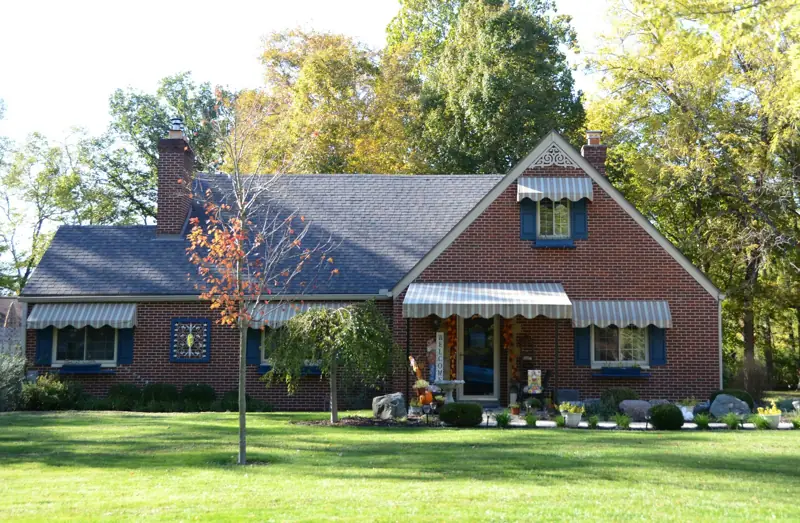
Spring
Heavy storms soak clay; watch for new gaps after a wet stretch.
Know your ground
Short answer: much of Smith County sits on three common soil series. Cuthbert has a dense red clay subsoil close to the surface, while Wolfpen and Pickton have deep sandy topsoil over loamy clay further down. The soil under your house shapes how it moves, drains and settles, so it is worth knowing which one you have before you plan any foundation work.
A foundation is only as steady as the ground under it. When the soil stays at an even moisture level, a slab or a pier and beam frame stays fairly still. When parts of the soil dry out and shrink while other parts stay wet, the house is held up unevenly.
That uneven support is what opens cracks in brick, sticks doors and tilts floors.
East Texas does not have one soil. The U.S. Department of Agriculture (USDA) maps soils by series, and each series has an official description of its layers, texture, drainage and the land it forms on. Three series come up again and again in Smith County: Cuthbert, Wolfpen and Pickton.
They behave very differently, which is one reason two houses on the same street in Tyler can age so differently.
This guide sums up what the official USDA descriptions say about each one, then explains in plain terms what that means for your home. It does not replace a site visit. A lot can change within a few feet, and fill soil brought in by a builder can sit on top of the natural ground.
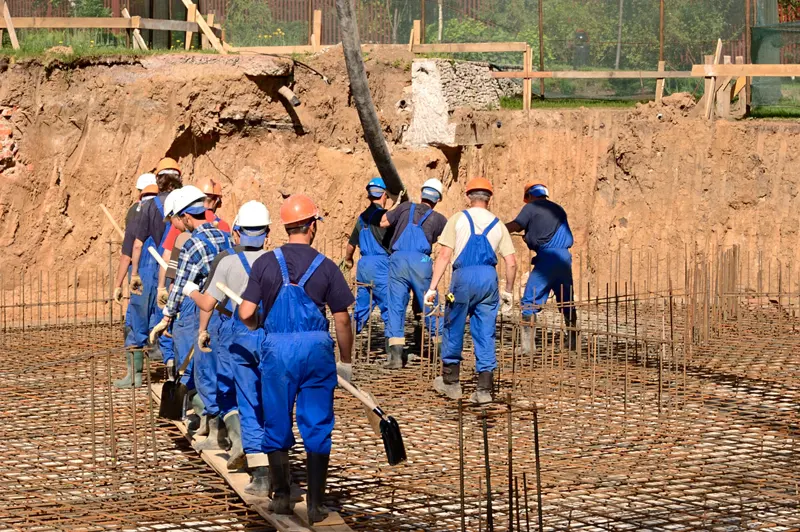
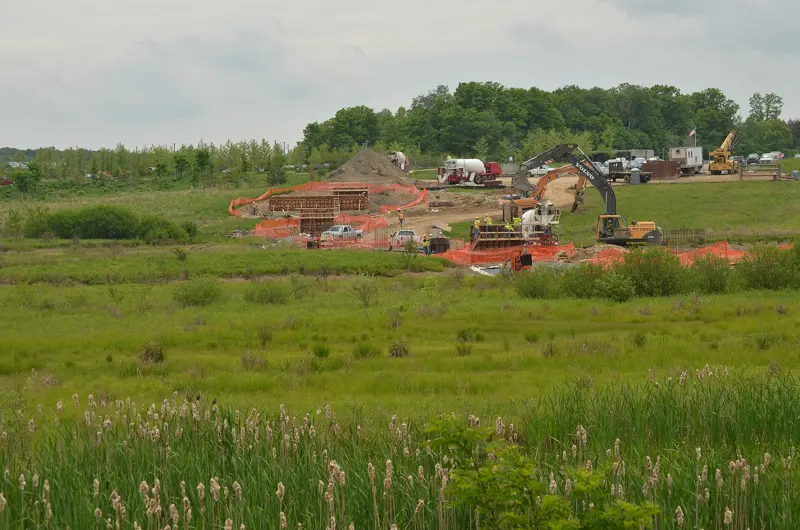
The USDA description calls Cuthbert soils moderately deep, well drained soils that formed over weakly consolidated sandstone and shale. They are found on uplands, often on strongly sloping to steep ground, with slopes in the typical range of about 8 to 25 percent.
The key layer for a homeowner is the subsoil. In the typical profile, red clay starts only about 8 inches down and runs to roughly 34 inches. Clay content in that part of the profile ranges from about 35 to 60 percent. Water moves through it moderately slowly, and the series description notes a summer moisture shortfall of about 4 to 6 inches in the area where it is mapped.
Mean yearly rainfall where Cuthbert is found runs about 40 to 56 inches.
Put simply, Cuthbert gives you a clay layer right where many slab edges and shallow footings sit, and that layer dries out each summer. On a slope, water also runs off quickly instead of soaking in evenly. Homes on Cuthbert ground often benefit most from good grading, gutters that move water away, and steady moisture near the foundation in long dry spells.
If you see stair-step cracks or gaps at windows after a hot summer, a foundation inspection is the right first step.
Wolfpen soils are described as very deep, well drained and moderately permeable. They formed in sandy material on uplands of the Coastal Plain, on gentler slopes of about 1 to 15 percent.
In the typical profile the top 27 inches or so is loamy fine sand: a brown surface layer over a paler sandy layer. Below that comes yellowish brown sandy clay loam with clay films. Runoff is listed as very low to low, which means rain tends to soak in rather than run off.
The USDA notes that most areas were once cleared and farmed and are now mostly pasture, with oaks, sweetgum, elm, hickory and pine in wooded spots.
For a house, that sandy top layer drains well and does not swell much on its own. The things to watch are different: water that soaks straight down beside the slab, erosion where downspouts dump onto bare sand, and the firmer clay loam layer below, which holds water longer.
Settlement on sandy ground is often tied to poor drainage or loose fill rather than seasonal shrink and swell. Our drainage and gutter work is built around that problem.
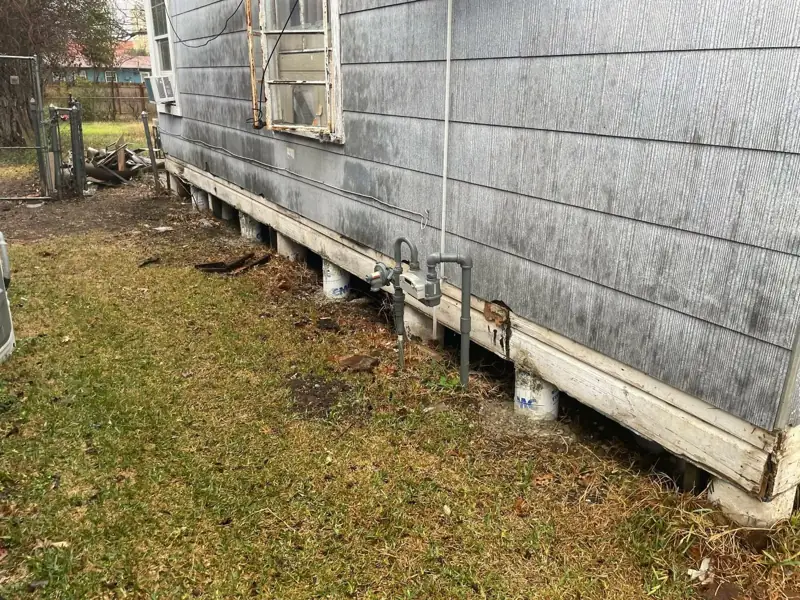
Pickton soils are also very deep, well drained and moderately permeable, formed in sandy and loamy deposits on uplands with slopes of about 1 to 15 percent. What sets Pickton apart is how thick the sand is. Its USDA class name includes 'Grossarenic', which means a very thick sandy upper layer.
In the typical profile the sandy clay loam subsoil does not begin until about 54 inches down.
Runoff on Pickton is listed as very slow. Tree cover where it is wooded includes red oak, blackjack oak, hickory, persimmon, sassafras and some shortleaf and loblolly pine.
With that much sand, a typical slab on Pickton ground rests on soil that is easy to dig, drains fast and does not hold its shape well when water runs under it. Washouts under slab edges and settling at corners are more likely than the heave-and-shrink cycles seen on clay.
Pier and beam homes on sand can also see piers settle if the footings are shallow. A pier and beam repair visit checks each pier, shim and beam rather than guessing.
The USDA Web Soil Survey is open to anyone. You draw a box around your lot on the map, and it lists the soil map units inside it, with links to each series description. Many lots will show more than one unit. It is a starting point, not a final answer, because grading during construction often moves or covers the natural soil.
Older neighborhoods in Tyler were often built before modern drainage design, and many newer subdivisions have imported fill. Either way, a hands-on check of the slab, the crawl space and the yard tells you more than a map alone.
Clay-dominated ground such as Cuthbert usually calls for moisture control first: gutters, grading, and sometimes a root barrier where large trees pull water from under one side of a house. Where the slab has already moved, slab foundation repair with piers can support it on firmer soil below.
Sandy ground such as Wolfpen and Pickton usually calls for drainage fixes and filling voids under slab edges, along with checking that downspouts and sprinklers are not washing soil away. In both cases, the order matters: fix the water problem, then fix the structure, or the same damage comes back.
If you are buying a home, ask the seller for any past repair records, warranties and drainage changes, and look up the soil map before the inspection. A short list of questions to a contractor, plus the soil series name, makes the conversation far more useful.
Write down the soil series for your lot from the Web Soil Survey. Walk the house after a heavy rain and note where water stands. After a dry month, look for a gap between the soil and the slab edge. Keep a dated photo log of any cracks, with a coin or tape measure in the shot for scale. Those four habits give any inspector a head start.
USDA soil series descriptions: Cuthbert, Wolfpen and Pickton. Map your own lot with the USDA Web Soil Survey.
Why trust us
Your request goes to independent crews already working Smith County lots and soils.
Ask for pier count, repair method and warranty terms on paper, so quotes compare line by line.
Every repair guide on this site is checked by a repair specialist before it goes live.
A call or a request is only a conversation. You choose if and when work starts.
Seasonal guide
Heavy storms soak clay; watch for new gaps after a wet stretch.
Long 90°F spells shrink soil; cracks often open in July and August.
Moisture returns; good time for inspection while symptoms are fresh.
Mild and wet; a sensible window to schedule repairs and drainage work.
Questions
Cuthbert, Wolfpen and Pickton are three of the series mapped most often in the county, but many others appear. Check your exact lot on the USDA Web Soil Survey.
Not always. Sand does not swell much, but it can wash out and settle when water runs under a slab. Clay holds its shape but shrinks and swells with moisture. Each needs different care.
On clay soils, steady moisture near the foundation in long dry spells can reduce shrinkage. Keep water even and avoid flooding the area. On sandy soil, focus on drainage instead.
No. It tells you what the natural ground is likely to be. Only an inspection of the house itself can show whether it has moved and why.
Talk to a local foundation crew that knows East Texas clay.
Ready when you are
Pick the service, tell us your timing, and add your contact details. A local pro follows up to confirm the details.