- 47.7 inYearly rain, Tyler (NOAA normal)
- 99 daysWet days per year, Tyler
- 76.6°FAverage daily high, Tyler
01Common repair methods
Pressed piers are the most common approach in East Texas. Short cylinders of precast concrete (or steel pipe sections) are hydraulically pushed into the ground beneath the grade beam until they reach resistance, then the slab is lifted and shimmed onto them. Steel piers are driven the same way but can usually go deeper, which matters where the clay layer is thick.
Drilled piers, sometimes called bell-bottom or drilled-and-poured piers, are holes augered to a set depth and filled with reinforced concrete. They take longer and cost more per pier, but some engineers prefer them for heavy two-story homes or when soil tests show deep active clay.
A good crew will explain why it picked one method over another for your house.
02Signs your slab has moved
Look for diagonal cracks running from the corners of doors and windows, stair-step cracks in brick veneer, tile that cracks in a line across a room, and exterior gaps where brick pulls away from window frames. Outside, check whether the visible edge of the slab has a crack that has offset, with one side higher than the other.
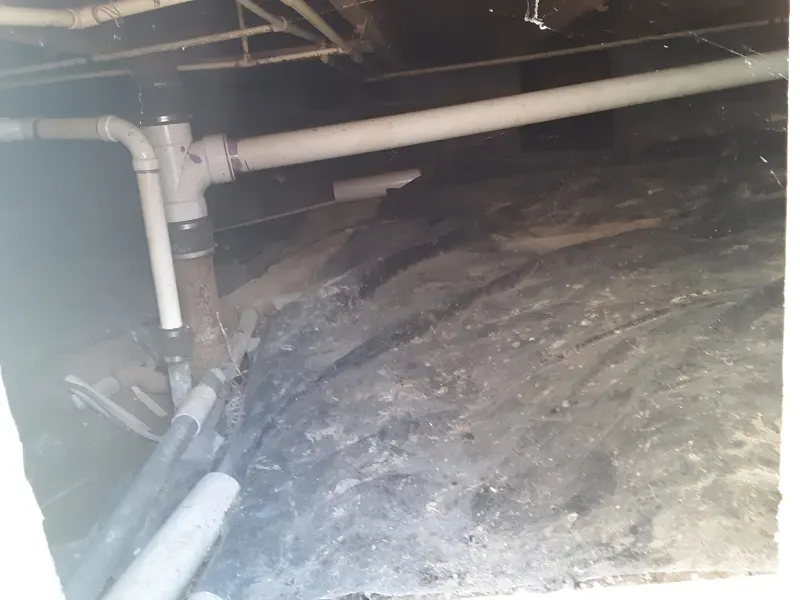
Interior plumbing is worth checking too. A slab that has shifted can stress drain lines poured inside it. Many repair companies recommend a hydrostatic plumbing test before or after lifting, especially on houses older than about 30 years.
03Questions to ask before you sign
How many piers, where, and to what depth or resistance? Is there an engineer's report, and who pays for it? Will they provide a before-and-after elevation survey? What does the written warranty cover, is it transferable if you sell, and what does it exclude? Clear answers to these make estimates comparable.
Also ask how they handle landscaping, patios and interior access points. If piers are needed under the interior of the slab, some crews tunnel beneath it rather than breaking through floors. For homes with a raised floor rather than a slab, see pier and beam repair in Tyler instead.
04How a Tyler slab gets lifted
Most slab repair in the area uses piers installed beneath the perimeter beam, then the slab is raised with hydraulic jacks to a target set by the elevation survey. Pressed concrete piers and steel piers are both used; ask why one is chosen for your house and soil.
Interior piers are sometimes needed when the middle of the slab has dropped. That means tunneling or breaking through floors, so it should be priced and explained separately.
05After the lift
Doors may need re-hanging and some cracks re-appear as the house adjusts. A plumbing test after lifting is a good idea. Fixing drainage at the same time protects the repair.
Symptom to cause
What a slab symptom usually points to
| You notice | Likely cause | What a pro checks |
|---|---|---|
| Diagonal drywall cracks at door corners | Edge of slab settling or heaving | Floor elevations across the room |
| Doors that stick in summer, loosen in spring | Clay shrinking and swelling with moisture | Soil moisture at the perimeter |
| Tile cracking in a line | Slab flexing over a soft spot | Crack pattern and slab age |
| Gap between trim and floor | Interior slab drop | Elevation survey at several points |
Around Tyler
How this looks in East Texas homes
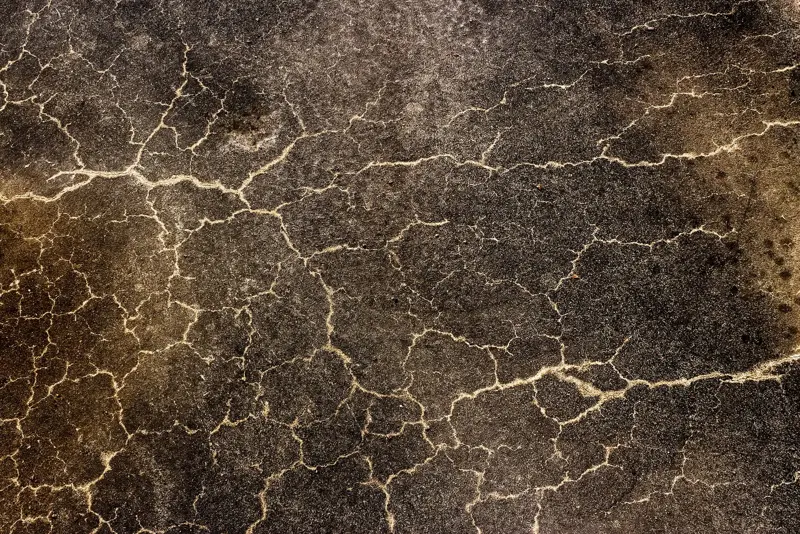
- A slab cracking after drought Clay shrinks in drought; piers may be needed if movement continues.
Photos