- 1975Median year homes were built, Jacksonville (ACS)
- SaculMost extensive soil series, Cherokee County (NRCS)
- 47.7 inYearly rain, Tyler (NOAA normal)
- 25 mi south of TylerStraight-line distance
Ground and housing
What is under Jacksonville homes
Cherokee County soil mapping is led by the Sacul, Bowie, Trawick series. Ask your crew which one sits under your lot before they quote. The typical Jacksonville house dates to about 1975, per Census figures, so plan for parts and framing of that era. For permits and local rules, start at http://www.jacksonvilletx.org
Services here
What we handle in Jacksonville
Jacksonville, the Tomato Capital
What shapes foundations here
Tomato Capital of the World
Jacksonville, in Cherokee County with 13,997 people in 2020, earned the name Tomato Capital of the World for tomato production and shipping. The Tomato Bowl stadium was built of red iron ore rock by WPA workers.
Red iron ore hills
The red rock used for the Tomato Bowl comes from the iron-rich hills of the area, where soils vary from sandy to red clay.
Older in-town homes
Older neighborhoods have many pier-and-beam houses.
Hillside runoff
Rolling hills send runoff toward downhill houses.
Local issues
Common foundation issues in Jacksonville homes
Floors sloping in an older in-town house
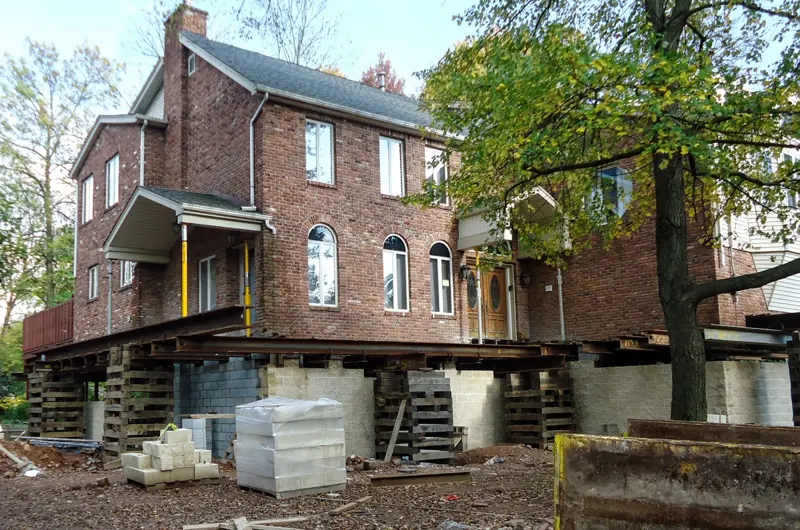
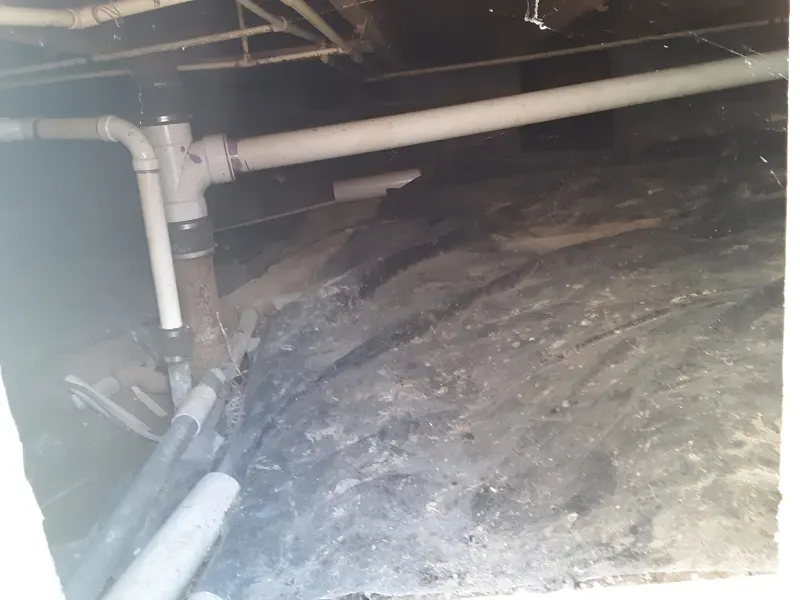
Older pier-and-beam homes near downtown often have piers that have sunk or shifted and sills softened by moisture. A crawl-space inspection shows which piers to reset or replace and whether shims or sill repair are needed.
A downhill corner settling
On hillside lots, the low corner often sits on softer or filled soil. Piers under that corner are a common fix once an elevation survey confirms the pattern.
Water running against the uphill side
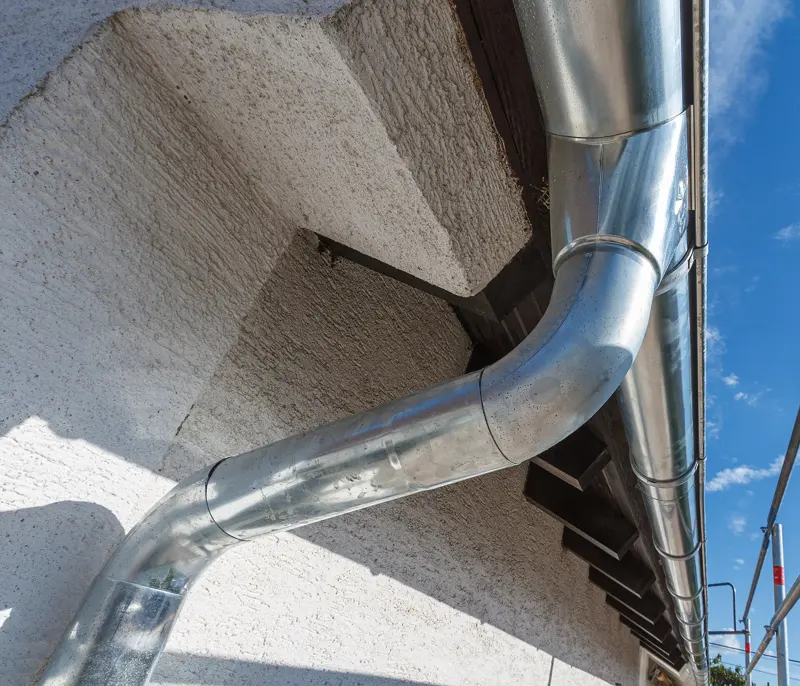
Runoff from higher ground can soak the soil along one wall. A swale or French drain that carries water around the house protects the foundation.
Photos