Spring
Heavy storms soak clay; watch for new gaps after a wet stretch.
Blog · Foundation types explained
Tyler has both kinds of houses in large numbers: raised pier and beam homes in its older neighborhoods and concrete slabs in most of what was built after about the 1960s and 70s. Each type reacts to East Texas soil in its own way, and each has strengths.
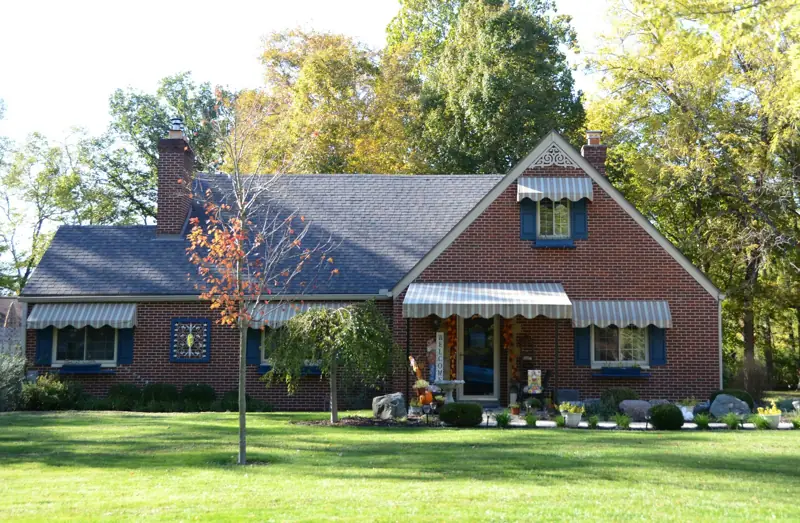
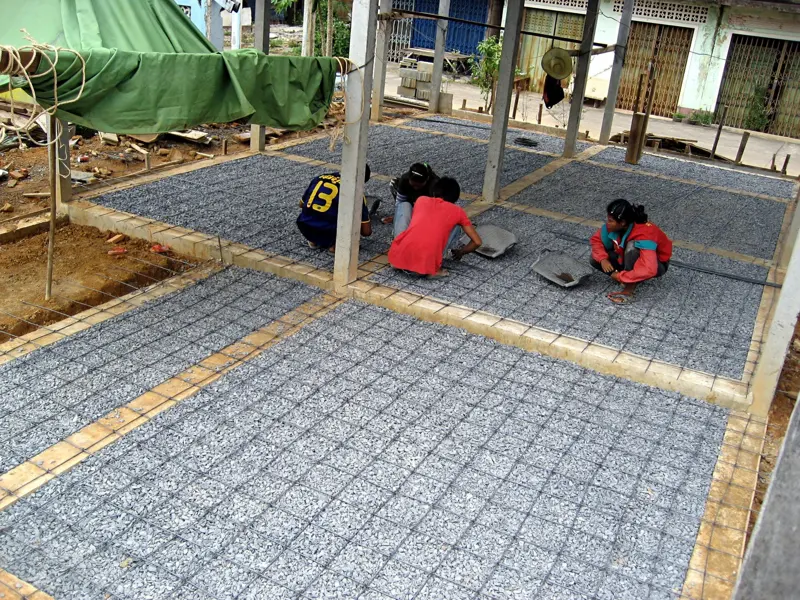
A pier and beam home rests on a grid of piers that support wood beams, which carry the floor joists. The house sits above a crawl space, which makes plumbing and wiring easy to reach. A slab home sits on a reinforced concrete slab with thickened edges, called grade beams, poured on prepared ground.
Builders shifted toward slabs largely because they were faster and cheaper to build. Modern slabs, with steel reinforcing or post-tensioned cables, handle soil movement better than many early slabs did.
Both types move when clay shrinks and swells. On a slab, the whole rigid plate tilts or bends, so problems appear as cracks across tile, brick and drywall. Pier and beam homes tend to move pier by pier, giving bouncy or sloping floors in particular areas, and they add moisture and wood rot as concerns.
Adjusting a raised home is usually simpler, since crews can reach the supports from below. Lifting a slab needs piers driven or drilled under the beam, and interior problems may require tunneling.
Neither is automatically better. If you are buying an older home in the Azalea District or near downtown, budget for periodic pier and beam maintenance and crawl space care. For newer slab homes on the south side, watch drainage and trees. In either case, ask for repair records.
For raised homes, pier and beam repair covers what crews actually do, and newer homes are covered under slab foundation repair.
Seasonal guide
Heavy storms soak clay; watch for new gaps after a wet stretch.
Long 90°F spells shrink soil; cracks often open in July and August.
Moisture returns; good time for inspection while symptoms are fresh.
Mild and wet; a sensible window to schedule repairs and drainage work.
Questions
Both can last many decades with good drainage and maintenance. Raised homes need crawl space upkeep; slabs need steady soil moisture around the perimeter.
It is technically possible but rarely practical or cost-effective. Repairing and maintaining the existing foundation is the normal approach.
Talk to a local foundation crew that knows East Texas clay.
Takes under a minute
Talk to a local foundation crew that knows East Texas clay.