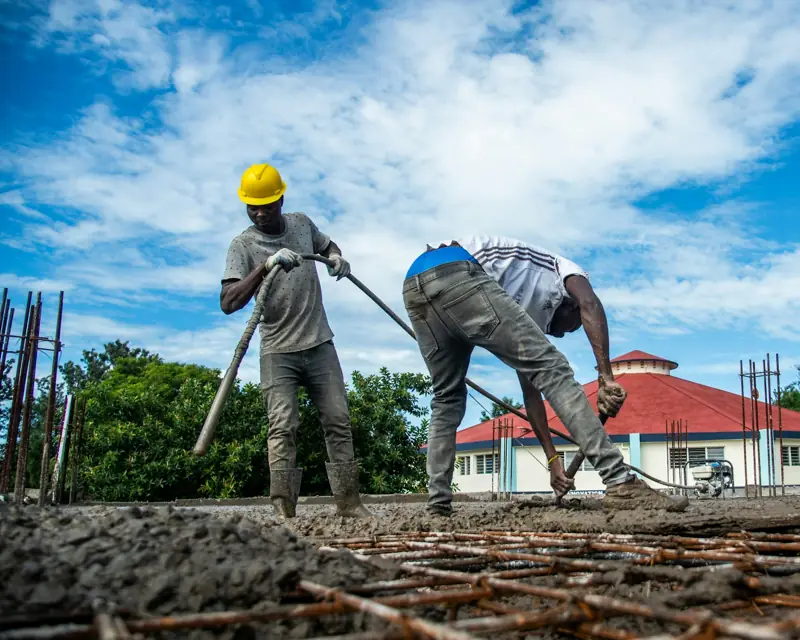
Serving Tyler & Smith County Requests answered by independent local crews

Raised floors and crawl space homes

Pier and Beam Foundation Repair in Tyler

Walk through Tyler's older streets near downtown, the Azalea District or the neighborhoods around Tyler Junior College and you will find plenty of homes sitting a couple of feet off the ground on piers and beams. These houses can last a very long time, but decades of East Texas humidity and soil movement take a toll on the wood and the supports.

Call (903) 555-0101 Independent local foundation contractors · No obligation
Quick quote, about 60 seconds

Get a Tyler Foundation Repair Quote

Tell us what you are seeing and a Tyler-area foundation contractor will follow up.

  • Smith County contractors
  • Written repair plan
  • No obligation
Step 1 of 3
What do you need help with?
How soon do you need it?
Where should the foundation contractor reach you?

Goes to an independent local foundation contractor. No obligation.

01What typically goes wrong

The original piers in many older homes were short concrete or brick blocks resting on shallow footings. As the clay beneath them shrinks and swells, individual piers sink or tilt, and floors develop soft spots, bounces or slopes. Wood shims stacked on piers dry out, crush or slip over time.

Moisture is the second problem. A crawl space that stays damp invites wood rot and termites in sills, joists and beams. In Tyler's humid summers, poor ventilation or a plumbing leak can rot a sill plate surprisingly fast.
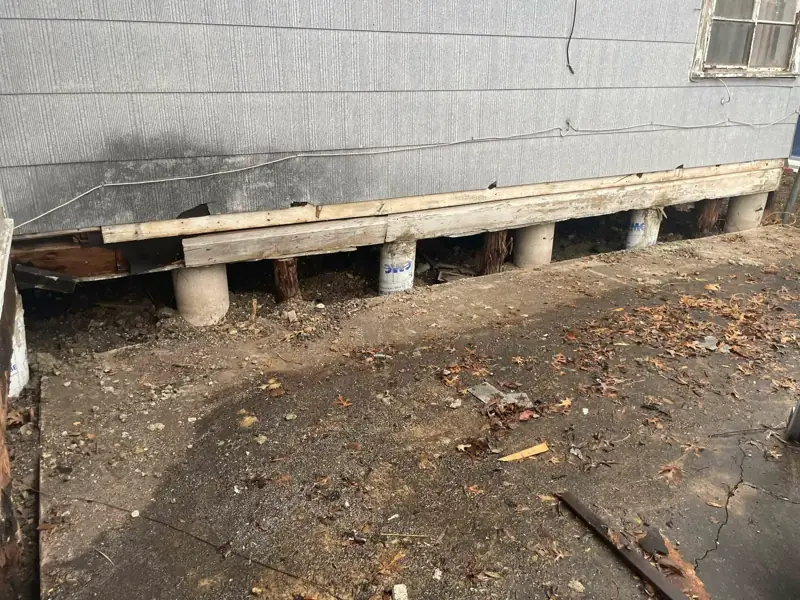
Fresh lumber sill plate and a row of concrete piers installed under the edge of a raised house

02Repair options

Re-shimming with steel shims is the lightest repair and can level floors that have only sagged a little. Where piers have failed, crews install new concrete piers on proper footings, or steel or pressed piers if the soil calls for deeper support. Rotted beams, joists and sills are cut out and replaced or sistered with new lumber.

Because the work happens in the crawl space, access matters. Some homes need a new or enlarged access opening. After structural work, a crawl space repair plan, such as vapor barrier, vent changes or drainage, helps the new wood last. If the whole house is far out of level, the job may be closer to full house leveling.
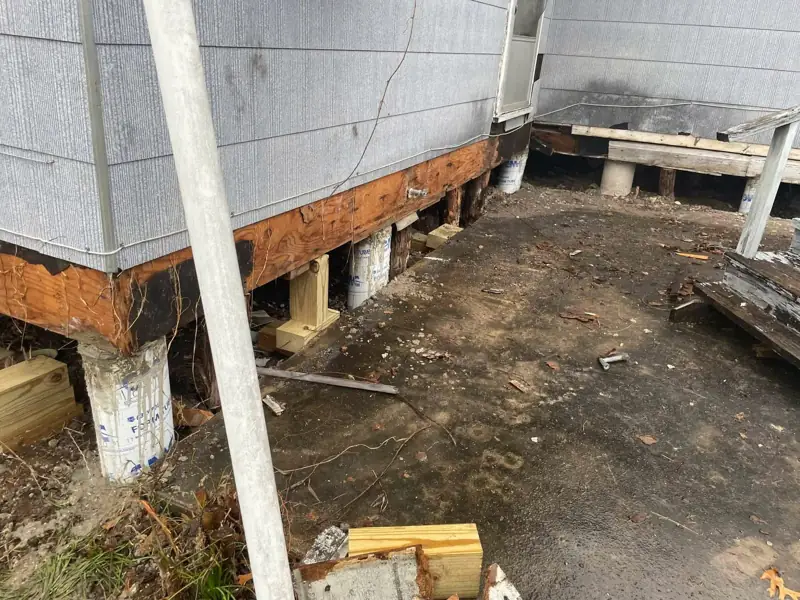
New treated wood sill beam resting on round concrete piers along the base of a raised house

03Historic homes

Parts of Tyler, including the Charnwood and Azalea historic districts, are recognized for their older architecture. If your home is in a designated district, check with the City of Tyler about any rules on exterior changes such as new skirting or access openings before work starts.

Structural work under the floor is usually less restricted than visible changes.
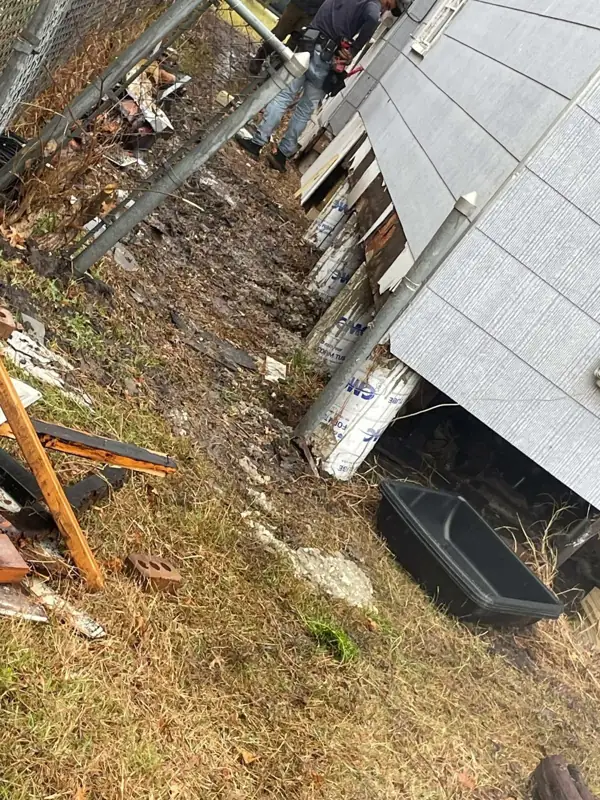
Side of a raised house with wood shoring posts supporting the frame while crawl space supports are replaced

04Inside the crawl space

Pier-and-beam houses rest on piers, beams and joists. Repair can mean resetting or replacing piers, adding new ones, swapping crushed shims for steel, and sistering damaged joists. Moisture and wood rot are checked at the same time.

Older homes in central Tyler often have crawl spaces with limited access, which affects time and cost.

05Ventilation and moisture

Standing water and damp soil under a house speed up rot and pests. Grading, gutters and sometimes a vapor barrier help.

Option compare

Shimming versus adding piers

Re-shim existing piersAdd new piers
When it fits

Piers are sound, floor dipped a little

Piers cracked, leaning or too far apart

Crawl space work

Light, done from below

Heavier, new footings dug

Long-term

May need re-shimming later

Adds support where it was missing

Around Tyler

How this looks in East Texas homes

Sunken piers under an older home. Many East Texas homes sit on piers. Resetting or replacing them restores floors.

Avoid these

Common mistakes

  • Shimming over rot. Rotted wood should be replaced first.

Before you hire

Questions to ask

Will you replace rotted sills?
Ask for photos.

Will you add piers between existing ones?
Spacing affects sag.

What shims do you use?
Steel shims last longer than wood.

Will you address moisture?
Dry crawl spaces protect repairs.

Step by step

How the job usually goes

  1. 1

    Crawl-space inspection

    The tech checks piers, beams, sills, joists and moisture under the house.

  2. 2

    Plan

    Sunken piers are reset or replaced, and added piers go where beams sag between supports.

  3. 3

    Wood repair

    Rotted sills and beams are replaced before shimming.

  4. 4

    Level and secure

    Steel shims bring floors up, and moisture control keeps the wood dry.

Why trust us

Why Tyler homeowners start here

Crews who know East Texas clay

Your request goes to independent crews already working Smith County lots and soils.

A written scope before any work

Ask for pier count, repair method and warranty terms on paper, so quotes compare line by line.

Guides checked by a repair specialist

Every repair guide on this site is reviewed by Arturo Muñoz before it goes live.

Your decision, on your timeline

A call or a request is only a conversation. You choose if and when work starts.

How a repair usually goes

Inspect, plan, repair, follow up

  1. 01

    Inspect

    A local crew measures floor elevations, checks cracks, doors and drainage, and looks for the cause, not only the symptom.

  2. 02

    Plan

    You get a written scope from the contractor: repair method, pier count and placement, drainage fixes and their warranty terms.

  3. 03

    Repair

    Supports are installed or adjusted and the house is lifted back toward level as far as the framing safely allows.

  4. 04

    Follow-up

    Final elevations are recorded and drainage is checked so you can compare future readings and spot new movement early.

Questions

Frequently asked questions

Is pier and beam easier to repair than a slab?+

Often, yes. Crews can reach the supports directly from the crawl space, so adjustments and re-shimming are simpler. Severe rot or deep soil movement can still make it a large job.

How often do pier and beam homes need adjusting?+

It varies with soil and drainage. Some homes go many years without adjustment; others on very active clay benefit from periodic checks, especially after a drought or very wet season.

Why are my floors bouncy?+

Weak or damaged joists, missing support or failed shims.

Can pier-and-beam homes be re-leveled more than once?+

Yes; adjustable systems make later corrections easier.

Is rot always visible?+

No; probing the wood is part of a proper inspection.

Seeing cracks or sticking doors?

Talk to a local foundation crew that knows East Texas clay.

Ready when you are

Request your quote in three short steps

Pick the service, tell us your timing, and add your contact details. A local pro follows up to confirm the details.

  • Crews who know East Texas clay
  • A written scope before any work
  • Guides checked by a repair specialist
Quick quote, about 60 seconds

Get a Tyler Foundation Repair Quote

Tell us what you are seeing and a Tyler-area foundation contractor will follow up.

  • Smith County contractors
  • Written repair plan
  • No obligation
Step 1 of 3
What do you need help with?
How soon do you need it?
Where should the foundation contractor reach you?

Goes to an independent local foundation contractor. No obligation.

Call (903) 555-0101