
- 47.7 inYearly rain, Tyler (NOAA normal)
- 99 daysWet days per year, Tyler
- 76.6°FAverage daily high, Tyler
01Signs of crawl space trouble
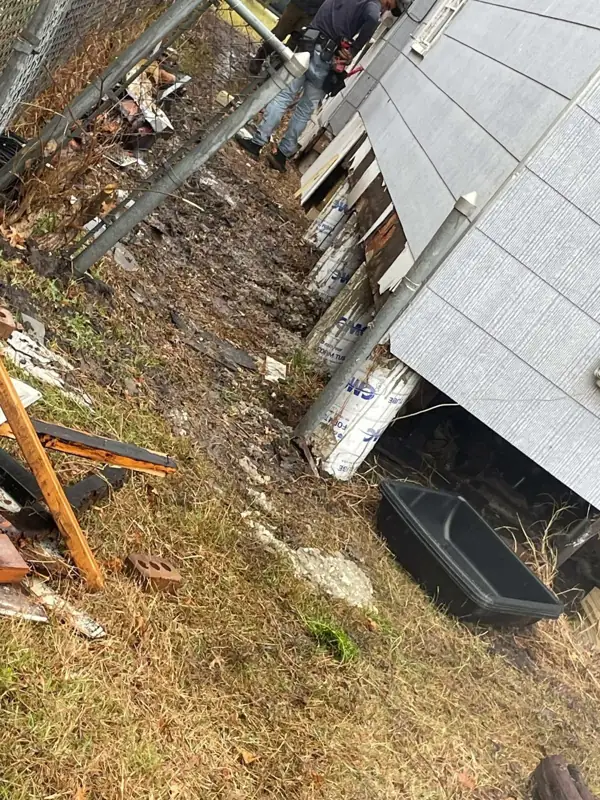
Musty smells inside the house, floors that flex or dip near bathrooms and kitchens, visible mold on joists, standing water after storms and sagging insulation are all clues. Mud tubes on piers or beams suggest termite activity, which is common in the region and needs a pest professional.
Many Tyler crawl spaces are shallow, so a contractor may need to look with a camera or crawl in with protective gear. Photos from the inspection are worth keeping for future reference.
02Repairs and improvements
Structural fixes include replacing or sistering rotted joists, sills and beams, and adding piers or adjustable supports where spans have sagged. Moisture fixes include a heavy plastic vapor barrier over the ground, sealing or adjusting vents, sump or drainage where water collects, and repairing plumbing leaks.
Full encapsulation, sealing the crawl space and conditioning the air, is an option some homeowners choose. It costs more and changes how the space works, so ask the contractor how it interacts with your HVAC and any gas appliances.
03Next steps
If floors are significantly uneven, crawl space work usually goes together with pier and beam repair. Start with an assessment of the supports and moisture levels, then decide on the scope.
04Common crawl space problems
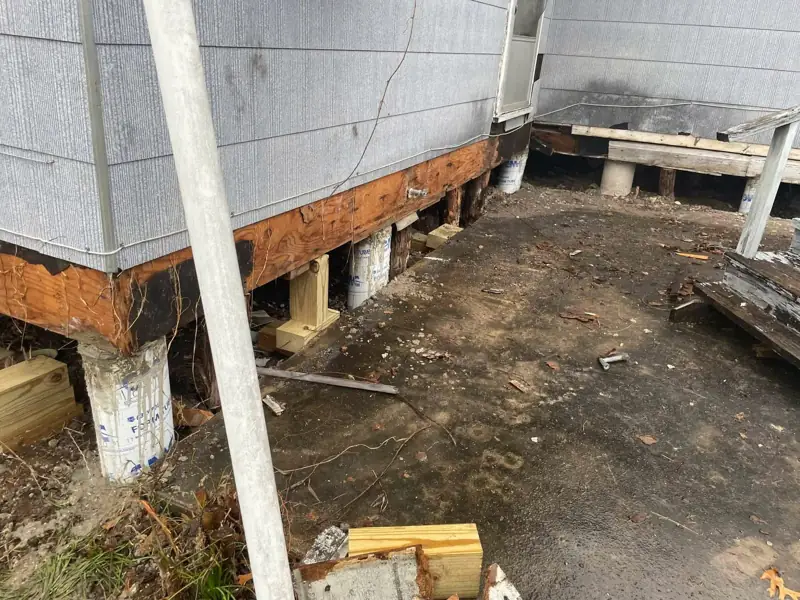
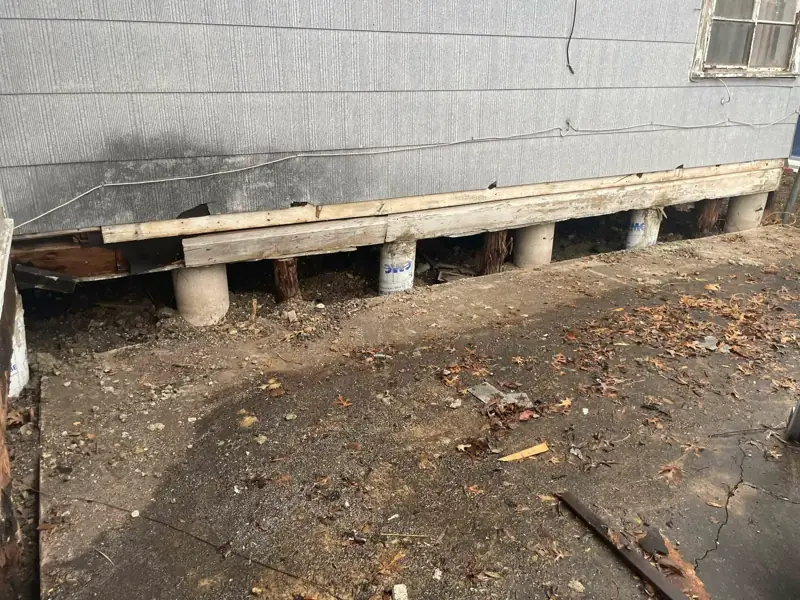
Rotting sills and joists, sagging girders, missing piers, standing water, torn vapor barriers and pests. Repairs combine structural fixes with moisture control.
Access holes and crawl height affect the work, so photos help when getting quotes.
05Moisture options
Vapor barriers, improved vents or encapsulation with a dehumidifier depend on the house. Ask for the reasoning behind each recommendation.
Common finds
What crews often find under the floor
Standing water
Poor grading or a broken line.
Wood rot
Sills or joists softened by moisture.
Torn vapor barrier
Lets ground moisture rise.
Sagging joists
Spans too long or pier gaps.
Around Tyler
How this looks in East Texas homes
- Wet crawl space under an older Tyler home
- Sandy soil over clay holds water, so many crawl spaces stay damp. A vapor barrier, drainage and venting fixes help.
- Soft floors in a bathroom
- Moisture and leaks can rot joists and subfloor; sistering joists and fixing the leak is common.
- Musty smell in summer
- High humidity in East Texas summers can make crawl spaces musty.
Avoid these
Common mistakes
Covering wet ground without fixing drainage. A barrier alone won't stop standing water.
Ignoring wood rot. Rotted sills and joists need repair before leveling.
Before you hire
Questions to ask
- Will you check for wood rot? Ask for photos.
- Is a dehumidifier needed? Ask why or why not.
- How will drainage be handled? Sump or drains.
- Do you remove old insulation? Wet insulation should come out.
Step by step
How the job usually goes
- 1
Inspect
The tech checks for standing water, wet soil, wood rot, sagging joists, pests and damaged insulation.
- 2
Fix water first
Drainage, gutters or a sump deal with water before anything is sealed.
- 3
Repair wood
Rotted sills, joists or subfloor are replaced or sistered.
- 4
Barrier and air
A vapor barrier goes down, and vents or a dehumidifier are set up to control humidity.
- 5
Follow-up
Check the crawl space after the next heavy rain and again in late summer, when humidity in East Texas is highest, to confirm it stays dry.