
- 47.7 inYearly rain, Tyler (NOAA normal)
- 99 daysWet days per year, Tyler
- 76.6°FAverage daily high, Tyler
01What an inspection covers
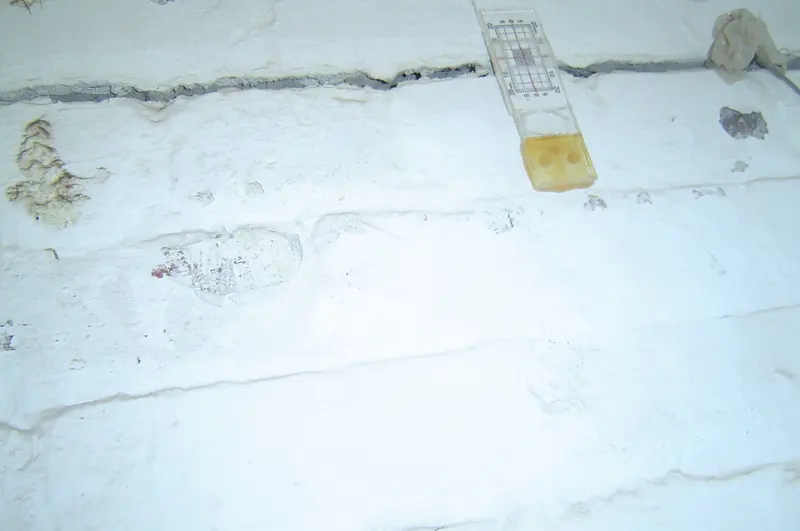
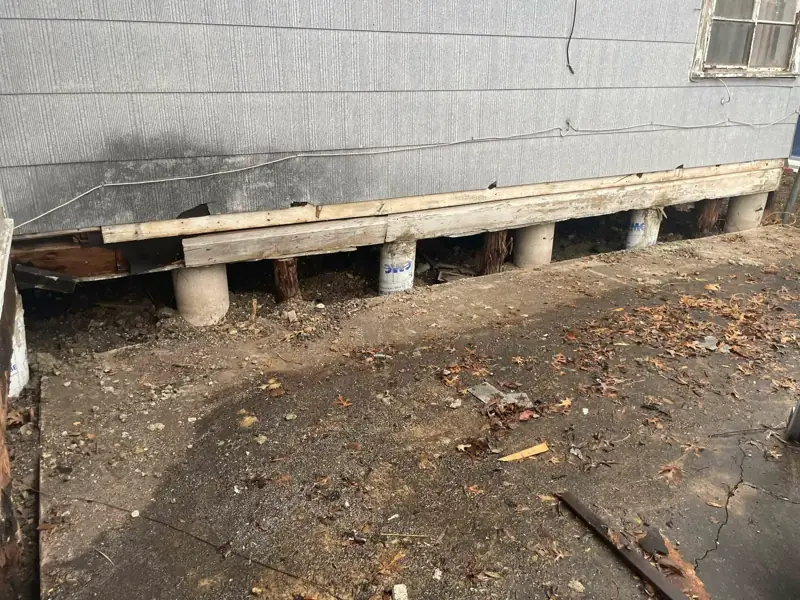
Inspectors walk the exterior looking at the slab edge or skirting, brick and siding cracks, grading and gutters. Inside, they look at doors, windows, drywall and flooring, and take floor elevation readings. On pier and beam homes, they go into the crawl space to check piers, shims, beams and moisture.
The result should be a written report with an elevation map, photos and a description of likely causes. If a repair company provides the inspection, the report may come with their own repair proposal; that is normal, but it is worth knowing who prepared it.
02Repair company versus structural engineer
A licensed professional engineer evaluation is independent of any repair sale and is often requested by buyers, sellers and lenders. Many Tyler-area foundation contractors can coordinate an engineer visit, or you can hire one directly. For complex homes, additions or past repairs, an engineer's design is worth the cost.
Texas home inspectors licensed through TREC also comment on foundations during a purchase inspection, but their job is to flag concerns, not to design a repair. If the home inspection notes 'evidence of movement', a foundation-specific evaluation is the next step.
03Buying in Tyler
Ask the seller for any past repair paperwork and whether a transferable warranty exists. Look at how the lot drains, and whether large trees sit close to the house. For a broader checklist see our post on signs of foundation problems. If water is the likely cause, drainage solutions in Tyler may be part of the answer.
04What a good evaluation includes
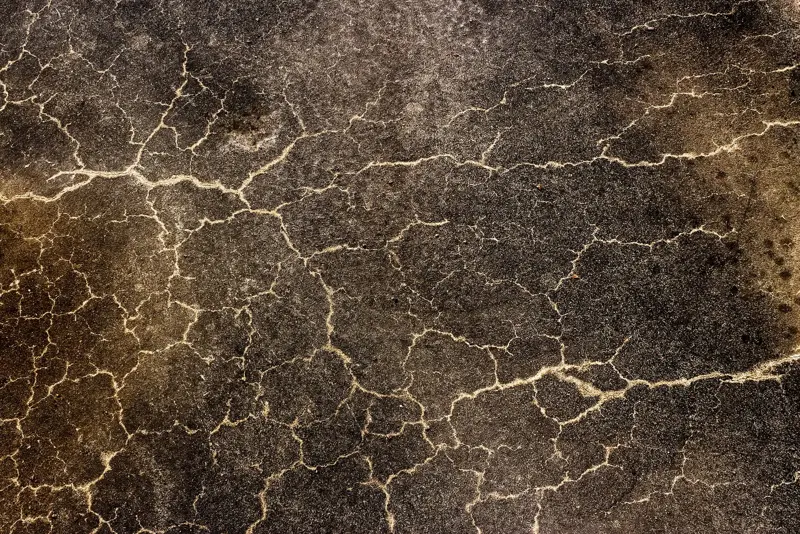
Floor elevation readings throughout the house, photos of interior and exterior cracks, a check of doors and windows, a look at drainage and gutters, notes on trees near the house and, for pier-and-beam homes, a crawl space inspection.
You should leave with a written report, not just a verbal price.
05Buying a home in Smith County
Buyers often order a foundation evaluation during the option period. Ask for the readings so you can compare them later.
What you get
What an inspection report should include
Elevation map
Readings across the floor, not one spot.
Crack notes
Where cracks are and which way they run.
Drainage notes
Gutters, grading and wet spots.
Plain next step
Repair, monitor, or leave alone.
Around Tyler
How this looks in East Texas homes
- Buying an older home
- An inspection before closing shows whether a pier-and-beam home needs work.
- After a dry summer
- Cracks opening in August may be seasonal; an inspection with elevation readings tells you.
Avoid these
Common mistakes
Getting only a sales pitch. An inspection should explain findings, not just sell piers.
Before you hire
Questions to ask
- Will you take elevation readings? Ask for a written report.
- Do you recommend an engineer? Ask when they do.
Step by step
How the job usually goes
- 1
Walk the outside
The inspector checks brick, grading, gutters and the slab edge or crawl-space vents.
- 2
Inside
Doors, windows, floors and drywall cracks are checked for patterns.
- 3
Elevation readings
A digital level maps high and low points across the floor.
- 4
Report
You get a written summary of findings and options, including whether an engineer should review it.
- 5
Next steps
If repair is needed, compare at least two written proposals based on the same elevation readings before deciding on any repair.