01Where water causes trouble
Short downspouts that empty right beside the slab, gutters clogged with pine needles and oak leaves, flowerbeds edged so they hold water, and soil that slopes toward the house all send water into the clay next to your foundation. That side swells while the others stay drier, and the slab or piers move unevenly.
Tyler's rolling terrain adds to it. Many lots slope, so a house at the bottom of a yard can receive runoff from neighbors as well as its own roof.
02Common fixes
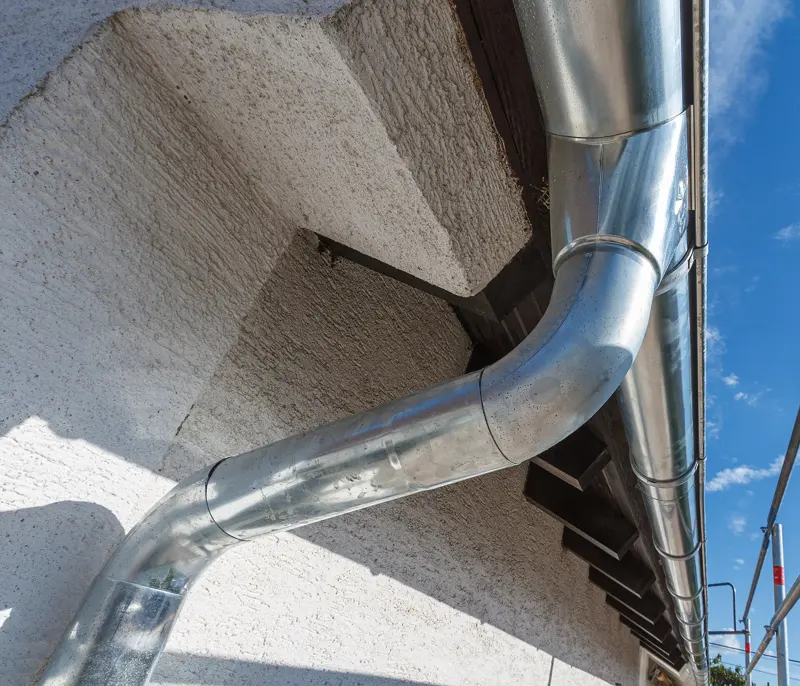
Gutter cleaning, guards and downspout extensions that discharge several feet away are a simple starting point. Surface or French drains collect water and carry it to a safe outlet. Regrading the soil so it slopes away from the house for the first several feet helps on almost every property.
For trees close to the house, a root barrier installed by a qualified crew can limit how much moisture roots pull from under the foundation in summer. Watering the perimeter evenly during extended drought, using a soaker hose a short distance from the slab, is also widely recommended for East Texas clay.
03Pairing drainage with repairs
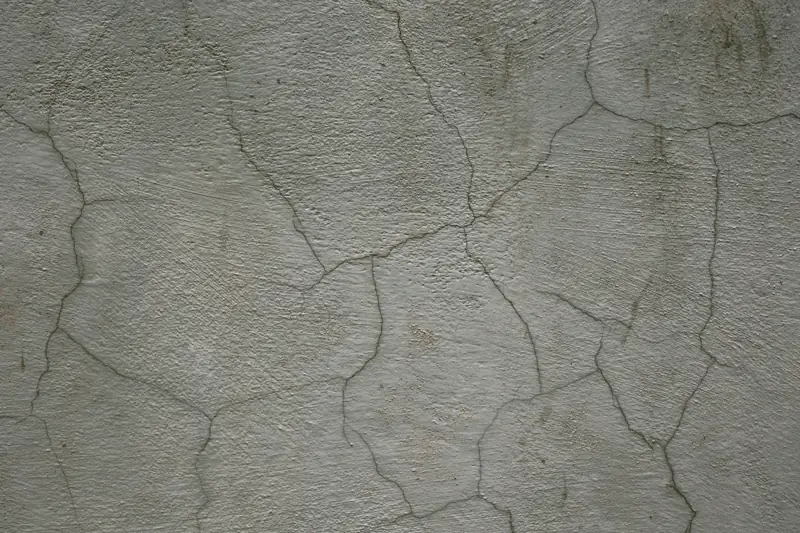
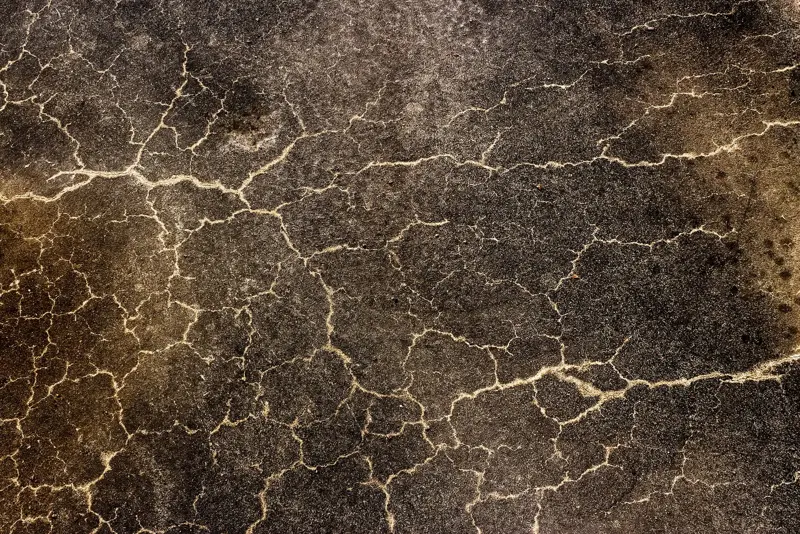
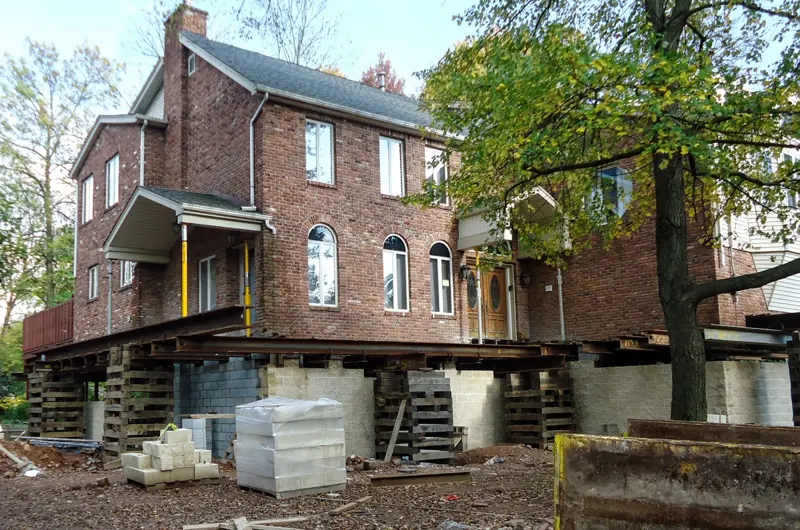
If a house already needs piers, fixing drainage at the same time protects that investment. Some contractors include it; others refer you to a landscape or drainage specialist. Ask how they plan to handle water, and read about concrete crack repair if driveways and patios are also showing damage.
04Moving water away from the slab
Downspout extensions, buried drain lines, French drains, surface swales and re-grading so soil slopes away from the house. In East Texas rainstorms, a single overflowing gutter can soak one corner. Drainage work is often recommended together with pier work.
05Keeping moisture steady
Avoid letting beds trap water against brick, and during drought keep perimeter soil from drying and pulling away.
Option compare
Gutter fix versus regrading
Roof water landing at the slab
Water flowing toward the house
A day or less
Heavier dirt work
Extensions away from the slab
Gutters already sending water out
Around Tyler
How this looks in East Texas homes
Water pooling against the slab. Flat lots and short downspouts send water to the slab edge. Extensions and regrading move it away.
Runoff from a neighbor's higher lot. Swales or French drains carry water around the house.
Avoid these
Common mistakes
- Burying downspouts without a clean-out Clogged buried lines can push water back to the foundation.
Before you hire
Questions to ask
- Where will the water go?
- Ask for a drawn plan.
- Will you check grading?
- Slope should run away from the house.
Step by step
How the job usually goes
- 1
Watch the water
The best evidence comes during or right after rain, when you can see where water collects.
- 2
Plan
The contractor draws where water will be collected and where it will be released, away from the house and neighbors.
- 3
Install
Gutters, downspout extensions, swales or French drains go in, with clean-outs on buried lines.
- 4
Check after rain
A follow-up after the next heavy rain shows whether the fix works.
- 5
Maintain
Clean gutters after leaf fall, since pines and oaks around Tyler drop a lot of debris, and flush buried lines once a year.
Photos