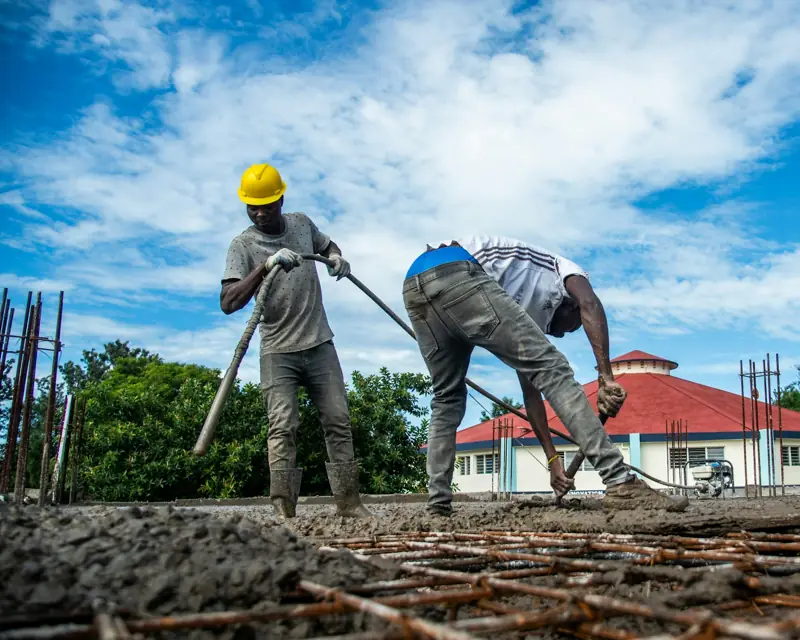
Number of piers
Most of a slab bill is driven by how many supports go in and how deep they need to reach below East Texas clay.
Dry, solid space under raised homes
East Texas humidity does not stop at the front door. Under a raised home, a crawl space can stay damp for months, especially if the ground is bare, vents are blocked or a pipe is dripping. Over time that moisture softens wood, attracts pests and makes floors feel spongy.
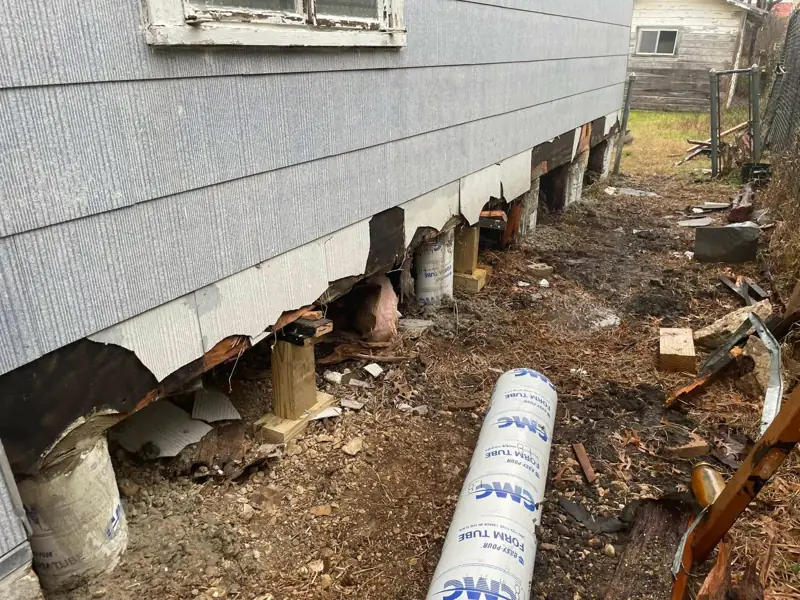
Musty smells inside the house, floors that flex or dip near bathrooms and kitchens, visible mold on joists, standing water after storms and sagging insulation are all clues. Mud tubes on piers or beams suggest termite activity, which is common in the region and needs a pest professional.
Many Tyler crawl spaces are shallow, so a contractor may need to look with a camera or crawl in with protective gear. Photos from the inspection are worth keeping for future reference.
Structural fixes include replacing or sistering rotted joists, sills and beams, and adding piers or adjustable supports where spans have sagged. Moisture fixes include a heavy plastic vapor barrier over the ground, sealing or adjusting vents, sump or drainage where water collects, and repairing plumbing leaks.
Full encapsulation, sealing the crawl space and conditioning the air, is an option some homeowners choose. It costs more and changes how the space works, so ask the contractor how it interacts with your HVAC and any gas appliances.
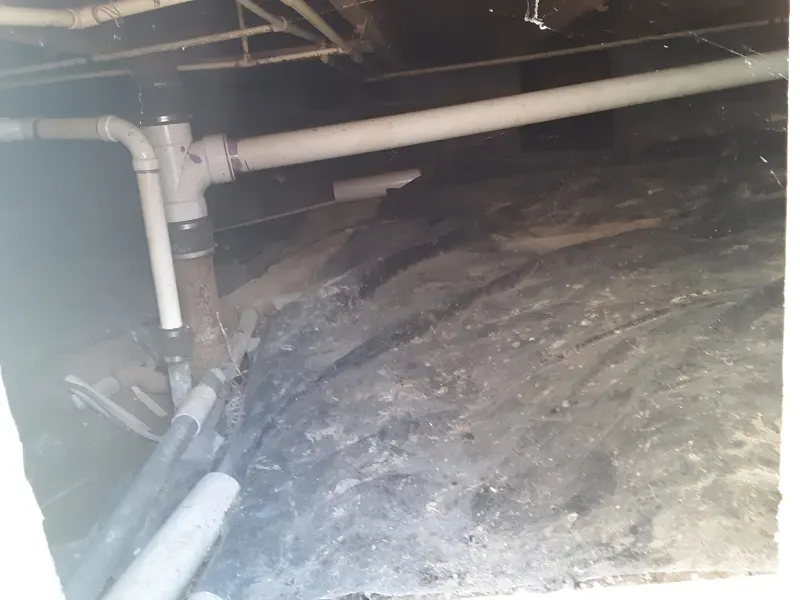
If floors are significantly uneven, crawl space work usually goes together with pier and beam repair. Start with an assessment of the supports and moisture levels, then decide on the scope.
Symptom checker
Most repairs start with one of these signs. Tap a card to see what it can point to.
Often the first sign that the frame has shifted as clay swells or shrinks.
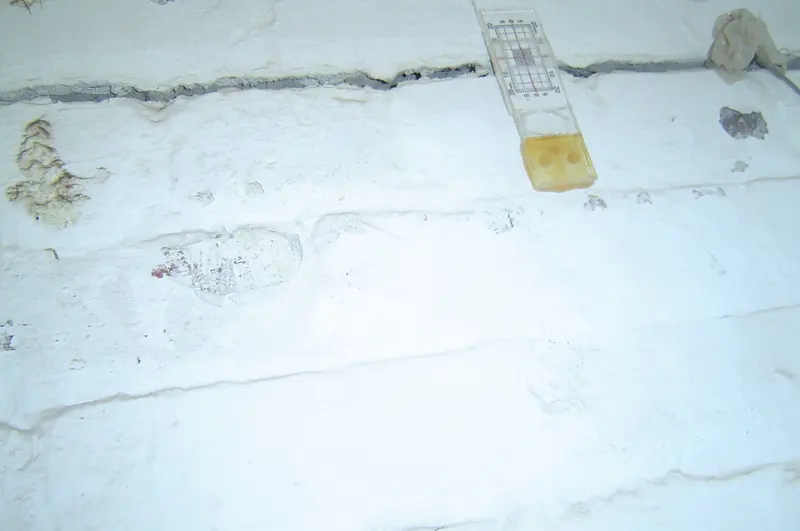
Mortar cracks that climb diagonally usually follow foundation movement.
A marble that rolls on its own is worth a closer look by a contractor.
Separation at trim tells you which corner may be dropping.
Poor drainage feeds the swell-and-shrink cycle in East Texas soil.
Hairline shrink cracks are common; wide or offset ones need a check.
How a repair usually goes
A local crew measures floor elevations, checks cracks, doors and drainage, and looks for the cause, not only the symptom.
You get a written scope from the contractor: repair method, pier count and placement, drainage fixes and their warranty terms.
Supports are installed or adjusted and the house is lifted back toward level as far as the framing safely allows.
Final elevations are recorded and drainage is checked so you can compare future readings and spot new movement early.
Pricing
Most of a slab bill is driven by how many supports go in and how deep they need to reach below East Texas clay.
Pressed concrete, steel and helical piers price differently and reach firm soil at different depths.
Tight crawl spaces, decks, landscaping and plumbing under the slab all add labor hours.
Gutters, downspout extensions or French drains are separate line items but protect the repair.
An engineer's letter or city permit may be required for larger lifts.
Transferable lifetime warranties sometimes carry a higher price; read the exclusions.
Questions
For most crawl spaces with bare soil, a vapor barrier is a low-cost way to cut ground moisture. It is commonly recommended in humid East Texas.
Venting helps in some cases, but in humid summers outside air can add moisture. A contractor should check moisture readings before changing ventilation.
Talk to a local foundation crew that knows East Texas clay.
Takes under a minute
Talk to a local foundation crew that knows East Texas clay.