Number of piers
Most of a slab bill is driven by how many supports go in and how deep they need to reach below East Texas clay.
Retail, office, churches and multifamily
Tyler's role as a regional hub for medical care, retail and education means plenty of commercial buildings, from strip centers along Broadway Avenue to churches, offices and small apartment complexes. Those buildings sit on the same moving clay as homes, but repairs need more planning.
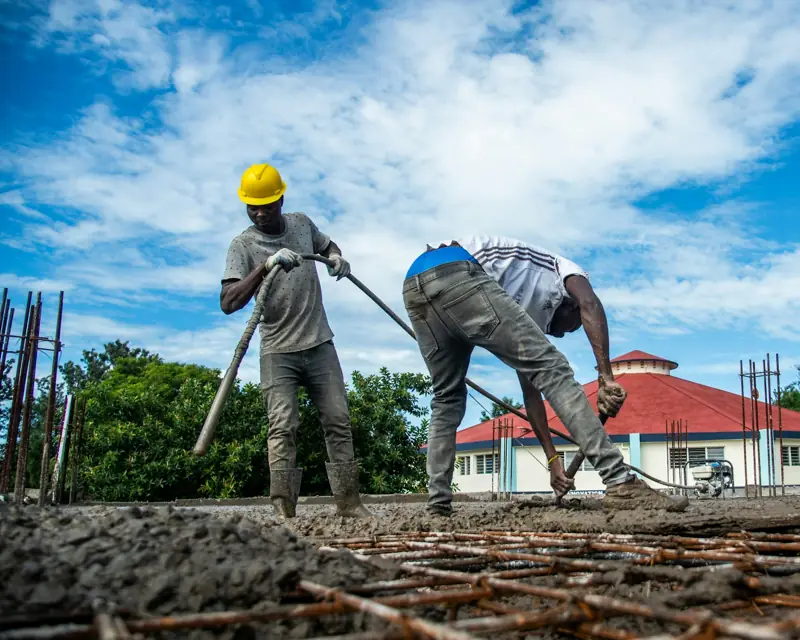
Commercial projects almost always involve a professional engineer's design, and may require city permits and inspections. Building loads are heavier, spans are longer and slabs may include tilt-up walls, steel columns or post-tensioned concrete, each of which changes how piers can be placed.
Scheduling also matters. Owners often need work phased so a business can stay open, done after hours, or coordinated with tenants. Ask how the contractor manages noise, dust, parking and access.
Piering under perimeter beams and interior columns, slab lifting with polyurethane or grout injection under floors, crack injection on walls, and drainage corrections around parking lots and loading areas are common. Multifamily buildings may combine foundation work with stair, breezeway and walkway repairs.
For property managers, a documented condition survey before and after the work is useful for insurance, tenants and future sales.
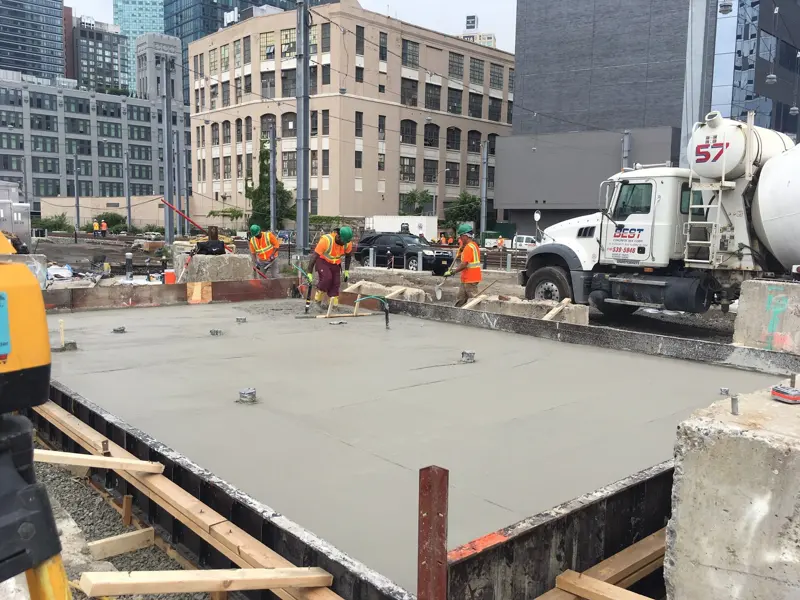
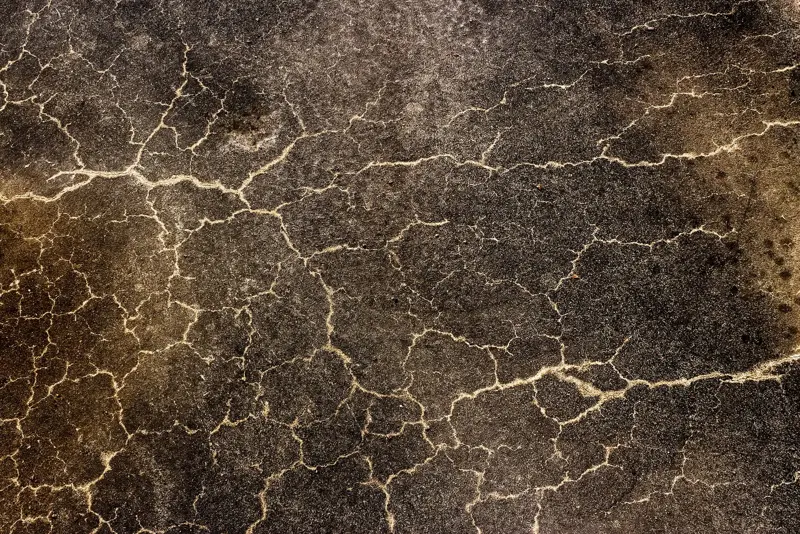
Share drawings, past reports and any history of repairs. Expect a site visit, possibly soil borings, and a proposal tied to an engineer's plan. Residential owners should see slab foundation repair instead.
Symptom checker
Most repairs start with one of these signs. Tap a card to see what it can point to.
Often the first sign that the frame has shifted as clay swells or shrinks.
Mortar cracks that climb diagonally usually follow foundation movement.
A marble that rolls on its own is worth a closer look by a contractor.
Separation at trim tells you which corner may be dropping.
Poor drainage feeds the swell-and-shrink cycle in East Texas soil.
Hairline shrink cracks are common; wide or offset ones need a check.
How a repair usually goes
A local crew measures floor elevations, checks cracks, doors and drainage, and looks for the cause, not only the symptom.
You get a written scope from the contractor: repair method, pier count and placement, drainage fixes and their warranty terms.
Supports are installed or adjusted and the house is lifted back toward level as far as the framing safely allows.
Final elevations are recorded and drainage is checked so you can compare future readings and spot new movement early.
Pricing
Most of a slab bill is driven by how many supports go in and how deep they need to reach below East Texas clay.
Pressed concrete, steel and helical piers price differently and reach firm soil at different depths.
Tight crawl spaces, decks, landscaping and plumbing under the slab all add labor hours.
Gutters, downspout extensions or French drains are separate line items but protect the repair.
An engineer's letter or city permit may be required for larger lifts.
Transferable lifetime warranties sometimes carry a higher price; read the exclusions.
Questions
In almost all cases, yes. Engineered plans and documentation are standard for commercial foundation work and often required by permits, lenders or insurers.
Often, with phasing. Exterior piering can usually proceed during business hours; interior work may be scheduled at night or on weekends.
Talk to a local foundation crew that knows East Texas clay.
Takes under a minute
Talk to a local foundation crew that knows East Texas clay.