Number of piers
Most of a slab bill is driven by how many supports go in and how deep they need to reach below East Texas clay.
Slab edges, driveways, patios and walls
Concrete cracks as it cures and as the ground beneath it moves. Many cracks around Tyler homes are harmless, but some point to movement that needs attention. The trick is telling them apart and choosing a repair that matches the cause.
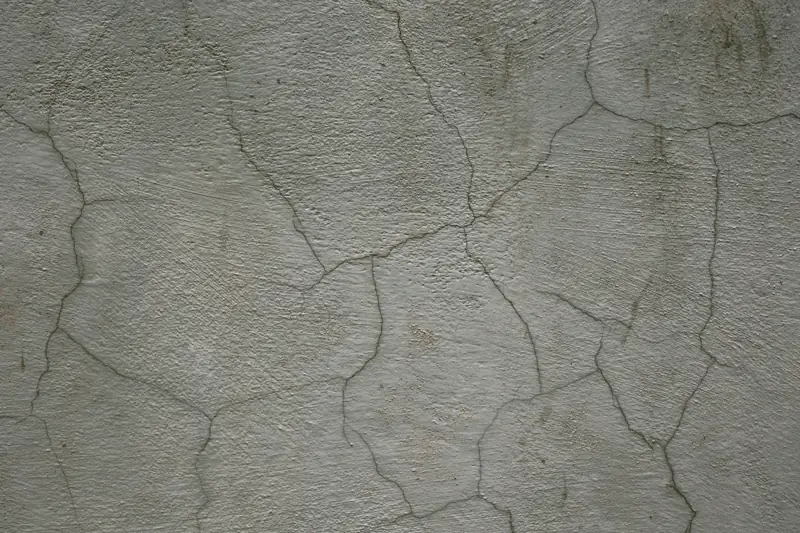
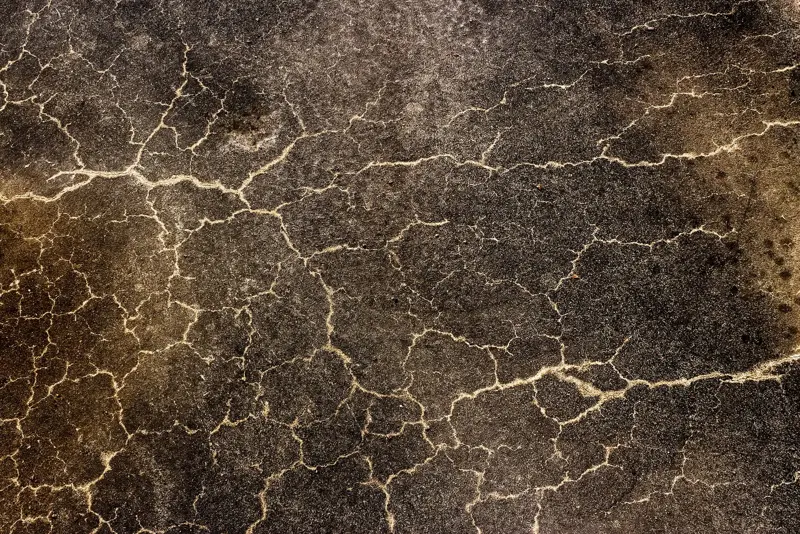
Thin, hairline shrinkage cracks that stay the same width are typical in slabs, driveways and patios. Cracks wider than about a quarter inch, cracks where one side sits higher than the other, and cracks that keep growing season after season suggest the ground is moving.
A simple way to track a crack is to mark its ends with a pencil and date, and measure its width every few months. Photos taken from the same spot also help a contractor judge whether it is active.
Structural cracks in foundation walls or beams can be injected with epoxy to bond the concrete back together. Polyurethane injection flexes and is often used to stop water seeping through cracks. Flatwork such as driveways and sidewalks is usually routed and filled with a flexible sealant to keep water out of the subgrade.
Sunken sidewalks and patio sections are sometimes lifted with polyurethane foam or slurry injection rather than being torn out. Ask whether lifting is realistic for your slab and how long the repair is expected to last.
If cracks in the slab line up with sticking doors or brick cracks, the issue is probably foundation movement, not just concrete. In that case look at commercial foundation repair for business properties or slab work for homes, and treat the crack repair as a finishing step.
Symptom checker
Most repairs start with one of these signs. Tap a card to see what it can point to.
Often the first sign that the frame has shifted as clay swells or shrinks.
Mortar cracks that climb diagonally usually follow foundation movement.
A marble that rolls on its own is worth a closer look by a contractor.
Separation at trim tells you which corner may be dropping.
Poor drainage feeds the swell-and-shrink cycle in East Texas soil.
Hairline shrink cracks are common; wide or offset ones need a check.
How a repair usually goes
A local crew measures floor elevations, checks cracks, doors and drainage, and looks for the cause, not only the symptom.
You get a written scope from the contractor: repair method, pier count and placement, drainage fixes and their warranty terms.
Supports are installed or adjusted and the house is lifted back toward level as far as the framing safely allows.
Final elevations are recorded and drainage is checked so you can compare future readings and spot new movement early.
Pricing
Most of a slab bill is driven by how many supports go in and how deep they need to reach below East Texas clay.
Pressed concrete, steel and helical piers price differently and reach firm soil at different depths.
Tight crawl spaces, decks, landscaping and plumbing under the slab all add labor hours.
Gutters, downspout extensions or French drains are separate line items but protect the repair.
An engineer's letter or city permit may be required for larger lifts.
Transferable lifetime warranties sometimes carry a higher price; read the exclusions.
Questions
Small cracks can be filled with a quality flexible sealant. Wide or offset cracks are worth having a professional look at, since they may indicate soil movement.
No. Many slab cracks are shrinkage cracks. Piers are only needed when elevation readings and other signs show the foundation has moved.
Talk to a local foundation crew that knows East Texas clay.
Takes under a minute
Talk to a local foundation crew that knows East Texas clay.